 NEWS
NEWS INDUSTRY NEWS
The second thing that drives the supply chain is making sure the equipment is as efficient and reliable as possible. “Our components are designed to be maintained and serviced, and we really need to be flexible in case we need to expand a production line or increase the load on our motors, drives and belts,” Oh said.
Product is flying across distribution center conveyors today and you’re seeing faster moving parts and varying loads, so the belt drive system needs to be robust enough to handle larger requirements. “The drives, the torque, the horsepower, everything needs to perform at the highest level to maintain operational efficiency,” he added.
AMMEGA has developed Quiet Self-Tracking (QST) profile belts, for example, that will automatically correct for any effects of pushing, pulling, side loading, or other actions that may result in mistracking. This results in less belt damage, low noise and reduces maintenance costs.
“The belts, however, can still generate some noise. How do we design drives and belts to achieve a quieter working environment? So, we’re developing a profile that tracks to the center and drives the cancellation of tooth-engaging noise to a level that's quiet. And we’re introducing softer materials into some of our product portfolios. Our goal is to reduce noise and provide sustainable, energy efficient solutions that meet the environmental needs of our customers today,” Oh said.
Because reliability and performance are so imperative, Oh discussed the importance of collaborating with operation managers, engineers and MRO teams before, during and after product installation.
“It’s critical to have an eye and an ear on making sure the system is optimized and running efficiently. This is where smart solutions come into play like scanning a QR code and receiving real time data on your smartphone, for example, letting personnel know when the last maintenance was performed on the belt drive,” Oh said.
There are sensors everywhere in these environments today, monitoring the overall health and productivity of the power transmission components and providing data to support future maintenance needs.
“It’s important to have a quick and easy way to understand the health and state of our belts and belt drives. Is the belt degrading faster than it should be? Why is a particular line no longer running efficiently? There’s a lot of integration work that happens behind the scenes. Therefore, we have a clear understanding of the information and knowledge we’re passing along to our customers, engineers, supervisors, etc., so everyone has a holistic view of the system,” Oh said.
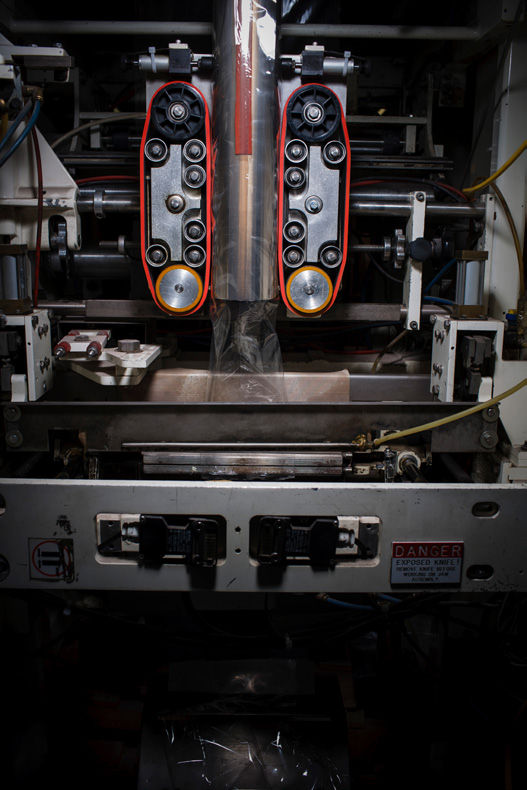
The service of the belt system starts with asking the right questions. What products are riding on the belt? Why does it need to be replaced? What factors led to the downtime? Has this been an issue since installation?
This brings us back to the challenge of meeting automation demands with less floor space and less energy consumption. Globally, Oh said the industry is seeing a push to make everything more compact and come up with smaller solutions that can function as effectively as larger conveyor systems.